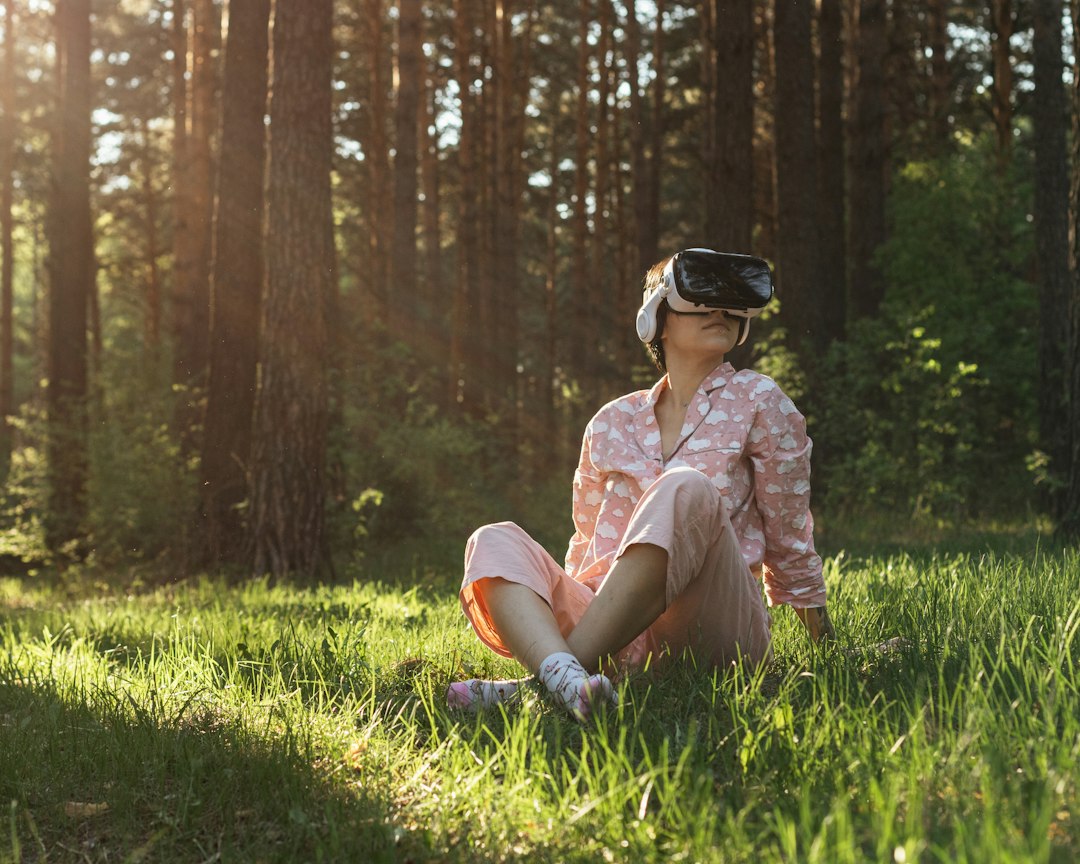
Virtual reality (VR) is no longer just a concept confined to the realms of gaming and entertainment; it is a transformative technology that is reshaping various aspects of our daily lives. As we delve into the role of VR, it becomes evident that its applications extend far beyond mere amusement, offering practical solutions that address real-world challenges. From education to healthcare, VR is making significant strides in enhancing experiences and outcomes for individuals and communities alike.
Enhancing Education Through Immersive Learning
In the educational sector, VR is revolutionizing the way students engage with learning materials. Traditional methods often fall short in capturing the attention of learners, but with VR, students can immerse themselves in interactive environments that make complex subjects more accessible. For instance, a school in San Francisco implemented a VR program that allowed students to explore the solar system, leading to a 30% increase in science test scores over a semester.
This immersive approach not only boosts retention rates but also fosters a deeper understanding of the material. Educators are finding that students are more motivated and enthusiastic about learning when they can visualize concepts in a three-dimensional space. As schools continue to adopt VR technology, the potential for improved educational outcomes becomes increasingly evident.
Transforming Healthcare with Virtual Reality
The healthcare industry is another area where VR is making a profound impact. Medical professionals are utilizing VR for training simulations, allowing them to practice complex procedures in a risk-free environment. A hospital in Chicago reported a 25% reduction in training time for surgical residents after integrating VR simulations into their curriculum, enabling them to gain hands-on experience without the pressure of real-life consequences.
Moreover, VR is being used for patient treatment, particularly in pain management and rehabilitation. Patients undergoing physical therapy can engage in VR exercises that distract them from pain, leading to improved recovery rates. By providing a more engaging and less intimidating experience, VR is helping to transform the way patients approach their treatment plans.
Revolutionizing Business Training and Collaboration
In the corporate world, VR is enhancing training and collaboration among teams. Companies are leveraging VR to conduct realistic training sessions that prepare employees for various scenarios they may encounter in their roles. A tech firm in Austin reported a 40% increase in employee performance after implementing VR training modules, which allowed staff to practice skills in a controlled, immersive environment.
Additionally, VR facilitates remote collaboration, enabling teams from different locations to meet in a virtual space. This capability has become increasingly important in today’s globalized workforce, where teams often span across continents. By fostering a sense of presence and engagement, VR is bridging the gap between remote workers and enhancing overall productivity.
Creating Engaging Virtual Experiences in Entertainment
The entertainment industry has embraced VR as a means to create captivating experiences for audiences. From virtual concerts to immersive storytelling, VR is pushing the boundaries of how we consume media. A recent study showed that attendees of a VR concert in Los Angeles reported a 50% higher level of enjoyment compared to traditional concert experiences, highlighting the unique engagement that VR can provide.
Moreover, VR is being used in theme parks and attractions, offering visitors the chance to experience rides and adventures in entirely new ways. As the technology continues to evolve, the possibilities for entertainment are virtually limitless, promising to keep audiences engaged and entertained like never before.
Building Smart Cities with Virtual Reality
As cities around the world strive to become smarter and more efficient, VR is playing a crucial role in urban planning and development. City planners are using VR to visualize projects and assess their impact on communities before implementation. A city in Canada utilized VR to simulate a new public transport system, resulting in a 20% increase in public support for the project after residents experienced the proposed changes in a virtual environment.
This proactive approach not only enhances community involvement but also leads to better decision-making processes. By allowing citizens to engage with urban development projects through VR, cities can create spaces that truly reflect the needs and desires of their inhabitants, ultimately leading to more sustainable and livable environments.